The difference of spending on production versus lineup
Festival directors face a constant budget tension between production and lineup. Here's how the split actually affects your event's financial performance and audience retention.
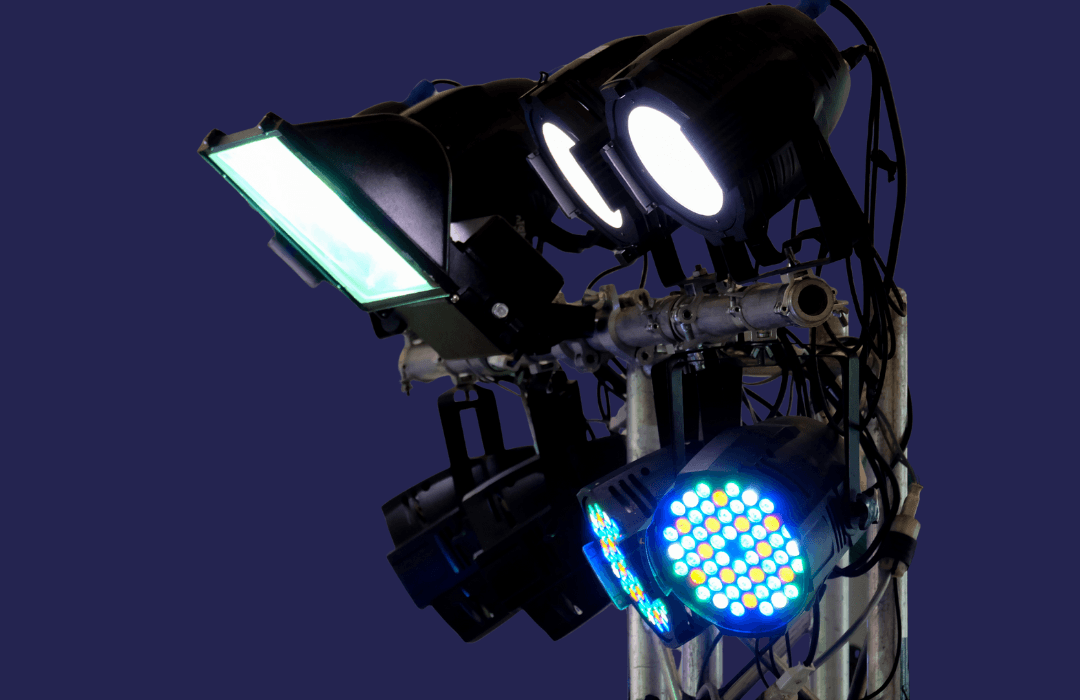
Festival organisers are often caught in a budgeting dilemma when deciding whether to prioritise spending on production or lineup. This decision fundamentally shapes the event’s character and ROI. While each strategy has its merits, a careful balance between both is often the key to long-term success. Here’s a comprehensive analysis using insights from major festivals like Creamfields and Glastonbury.
Production vs. lineup spending
Event Production: This category involves stage design, lighting, sound, and logistical elements that create an engaging atmosphere. Production-heavy events such as Creamfields deliver immersive and visually impressive stages that captivate electronic music fans. Their APEX superstructure, new for 2024, exemplifies this strategy, offering cutting-edge sensory stimulation that elevates the festival atmosphere. Endless Events notes that production-focused companies blend technology and creativity to create an “awe-inspiring” vibe.
Lineup Spending: On the other hand, investing in a stellar lineup brings notable performers and speakers to the event. Attendees who are loyal to specific bands, DJs, or speakers may prioritise their festival choice based on who is playing. Creamfields featured Calvin Harris and Deadmau5 among other superstars, which helped maintain its strong ticket sales. Glastonbury, renowned for its eclectic mix of performers across genres, draws crowds through diverse and exclusive acts.
Event types and audience attraction
Events that focus on production attract people seeking a sensory experience, while lineup-centric events appeal to fans who are there mainly for the performers. For instance:
Production-Centric: Electronic music festivals like Creamfields, with its high-energy visual and sensory experience, deliver a strong production quality that caters to music enthusiasts looking for an immersive atmosphere.
Lineup-Focused: Glastonbury appeals to a wide demographic, offering a mix of genres across stages.
Balancing production and lineup for ROI
Maximising ROI means finding a strategic balance between production and lineup spending. Events like Creamfields demonstrate that investing in both elements can pay dividends. Their record attendance figures (280,000 in 2017) underscore how a careful blend of quality production and headliners is crucial for long-term success.
Measuring event ROI
To accurately measure the ROI, consider both tangible and intangible metrics:
Financial Metrics: Include ticket sales, sponsorships, and exhibitor fees.
Brand Awareness: Changes in perception post-event.
Participant Satisfaction: Gauged through surveys.
Using a consistent ROI formula can provide useful insights into the financial health of an event. Event planners should assess not just revenue and expenses but also track social media engagement, attendee participation, and post-event inquiries.
Key takeaways:
Striking a balance between production and lineup is crucial for long-term success.
Understanding attendee preferences and feedback can guide future investment strategies.
Regular evaluation using consistent metrics will help measure ROI more accurately.
Ultimately, how organisers allocate their budgets will depend on the event’s unique goals, brand, and audience. By balancing both elements and leveraging data-driven insights, organisers can ensure a memorable festival experience that resonates with attendees long after the event ends.


